What It Does — Project-Specific Claude Code Configs On Demand
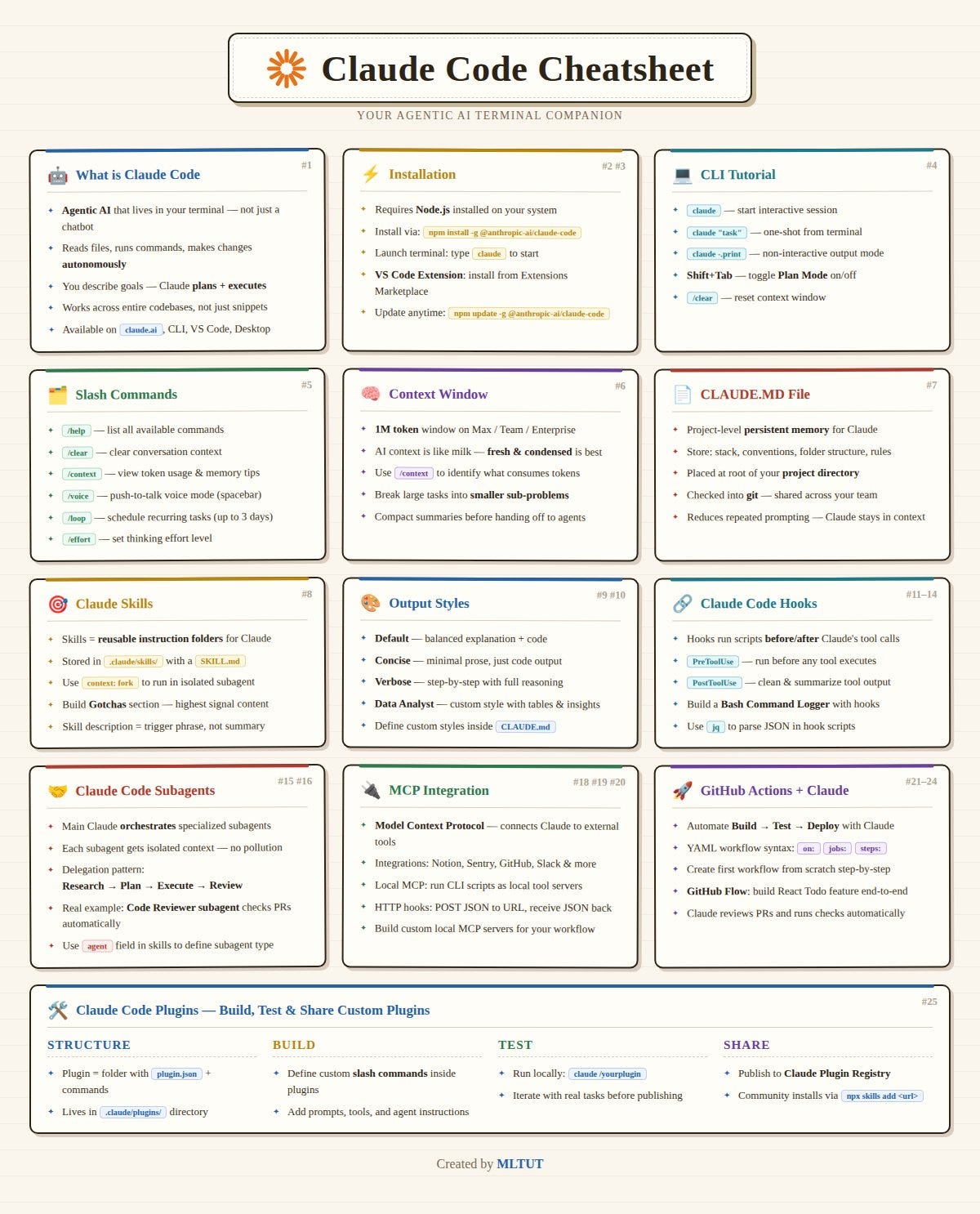
CCGears is a TUI (Terminal User Interface) tool that solves a specific pain point for daily Claude Code users: the friction of switching between different project configurations. Every Claude Code project has its own .claude folder containing MCP servers, tool permissions, skills, and a CLAUDE.md file. Manually recreating or remembering these configurations across projects wastes time and introduces errors.
CCGears lets you snapshot your current .claude configuration—including the tools/ directory and CLAUDE.md—save it as a named preset, and load it instantly into any other project directory. Think of it as virtual environments for your Claude Code agent.
Setup — Install in 60 Seconds
Download the pre-built binary for your platform:
# macOS (Apple Silicon example)
curl -L https://github.com/LiorStrugach/CCGears/releases/latest/download/ccgears_*_mac_arm64.tar.gz | tar -xz
sudo mv ccgears /usr/local/bin/

# Verify installation
ccgears version
For Windows, download the .zip file and add ccgears.exe to your PATH. For Linux, use the appropriate binary from the Releases page.
If you prefer building from source:
git clone https://github.com/LiorStrugach/CCGears.git
cd CCGears
go install ./cmd/ccgears
# Add to PATH: export PATH="$PATH:$HOME/go/bin"
How To Use It — Create and Switch Presets
Creating Your First Preset
Navigate to a project with a configured .claude folder:
cd ~/projects/my-infra-project
ccgears
In the interactive TUI, select Create new preset at the bottom, name it (e.g., infra-tools), and add an optional description. CCGears snapshots everything except .DS_Store and __pycache__ directories.
Loading Presets Anywhere
In any project directory:
cd ~/projects/new-project
ccgears
Use arrow keys to highlight a preset, press Enter to preview (shows skills, permissions, tools, and CLAUDE.md headline), then Enter again to load. Your current .claude configuration is automatically backed up before replacement.
Advanced Features
- Scan & Import: Bulk import existing
.claudeconfigurations from your filesystem - Diff Before Save: Review changes before updating an existing preset
- Session Continuity: Switch presets mid-conversation and resume where you left off
- Built-in Commands: Use
/ccgearsand/ccgears-savedirectly inside Claude Code sessions
When To Use It — Specific Workflow Examples
Infrastructure vs. Frontend Projects: Load your
terraform-awspreset with MCP servers for AWS, Pulumi, and infrastructure permissions, then switch toreact-frontendwith Figma, Storybook, and UI testing tools.Client-Specific Configurations: Maintain separate presets for different clients with their specific coding standards, API keys, and toolchains.
Experiment Safely: Try new MCP servers or tool configurations in a disposable preset without affecting your main workflow.
Team Standardization: Share preset directories with your team to ensure everyone uses the same Claude Code configuration for specific project types.
Why It Works — The Context-Switching Tax
Claude Code's power comes from its deep integration with your project's specific tools and context. But this strength becomes a weakness when you work across multiple domains. CCGears treats your .claude folder as a first-class artifact—versionable, shareable, and switchable—just like your code.
The automatic backup before every load means you can experiment without fear. The preview feature prevents accidental context switches. And because it's a standalone binary with zero configuration (stores presets in ~/.ccgears/), it works immediately after installation.
Try It Today
If you use Claude Code for more than one type of project, CCGears will save you minutes every day. The initial setup takes less time than manually reconfiguring your tools once. Install it now and create your first three presets: one for your main work, one for experimentation, and one for that side project you keep meaning to return to.