PJM and Pennsylvania regulators warn AI-driven load growth is colliding with queue delays, supply shortages, and outdated power market assumptions. The grid operator projects data center load could grow by 25 GW over the next decade, up from roughly 5 GW today.
Key facts
- PJM projects 25 GW data center load growth by 2035
- Current data center load is roughly 5 GW
- Interconnection queue backlog exceeds 4 years
- PJM capacity prices rose 15% year-over-year
- Reserve margins could fall below 15% by 2028
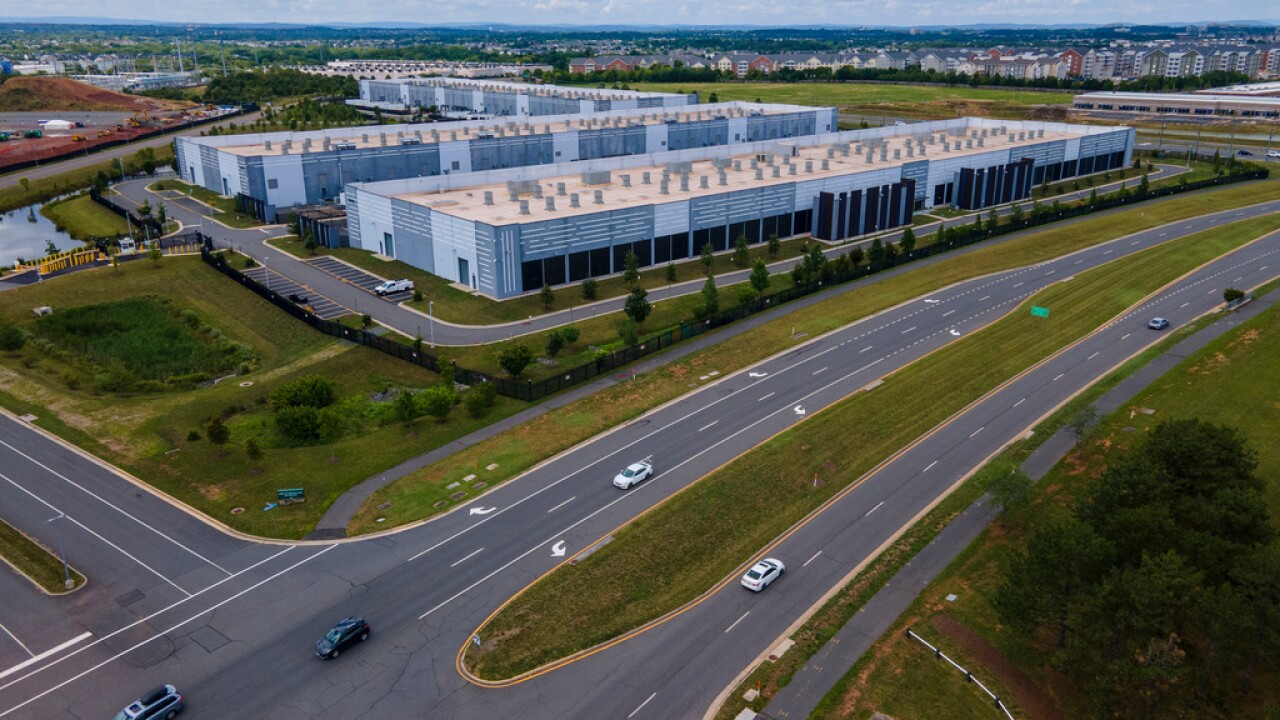
PJM Interconnection, the grid operator serving 65 million people across 13 states and Washington DC, is sounding alarms about the pace of AI data center expansion. According to PJM Monitor, the collision of AI-driven load growth with interconnection queue delays, supply shortages, and outdated market assumptions threatens grid reliability and could spike costs for consumers.
PJM's interconnection queue faces years-long backlogs, with new generation projects waiting over four years to connect. This bottleneck is particularly acute for the renewable and gas-fired capacity that data center operators increasingly seek to power their facilities. Meanwhile, the grid operator projects data center load could grow by 25 GW over the next decade, up from roughly 5 GW today — a fivefold increase that would strain existing transmission and generation infrastructure.
The Regulatory Fault Line
Pennsylvania regulators have joined PJM in arguing that current capacity market rules undervalue reliability and fail to price in the risk of concentrated AI load. The concern is that a single large data center cluster drawing 1-2 GW could destabilize the grid if a transmission line or generator trips. PJM's capacity auction results for the 2026/2027 delivery year already showed clearing prices rising 15% year-over-year, driven partly by data center demand expectations.
The situation mirrors tensions playing out in other regions. Vermont recently blocked an AI data center bill over infrastructure concerns, as we reported. In PJM's footprint, the scale is larger: the grid operator is considering new tariff provisions that would require data centers to provide advance notice of load changes and pay for transmission upgrades they trigger.
What the Numbers Say
PJM's data center load projections imply roughly 25 GW of new demand by 2035 — equivalent to adding the entire power consumption of New York State. The queue backlog means much of this load will initially be served by existing generation or merchant plants, potentially displacing other customers. PJM's own analysis suggests that without new generation and transmission buildout, reserve margins could fall below the target 15% threshold as early as 2028.
The grid operator is also grappling with the intermittency risk of renewable-heavy portfolios that data center operators are signing power purchase agreements for. Unlike traditional industrial load, AI data centers have less flexibility to curtail operations, making them more reliant on firm capacity.
The real story isn't just that AI data centers consume a lot of power — it's that PJM's market design was never built for loads that can grow 5x in a decade. Capacity auction mechanisms, interconnection rules, and reserve margin targets were optimized for a world of steady 1-2% annual demand growth. They are now being stress-tested by a demand curve that looks more like a hockey stick. The outcome could force fundamental market redesign, not just incremental tariff tweaks.
What to watch
Watch for PJM's 2027/2028 capacity auction results, expected in May 2027, which will reveal whether clearing prices continue rising. Also track Pennsylvania's legislative response to the PJM tariff proposal requiring data centers to fund transmission upgrades.
Source: news.google.com