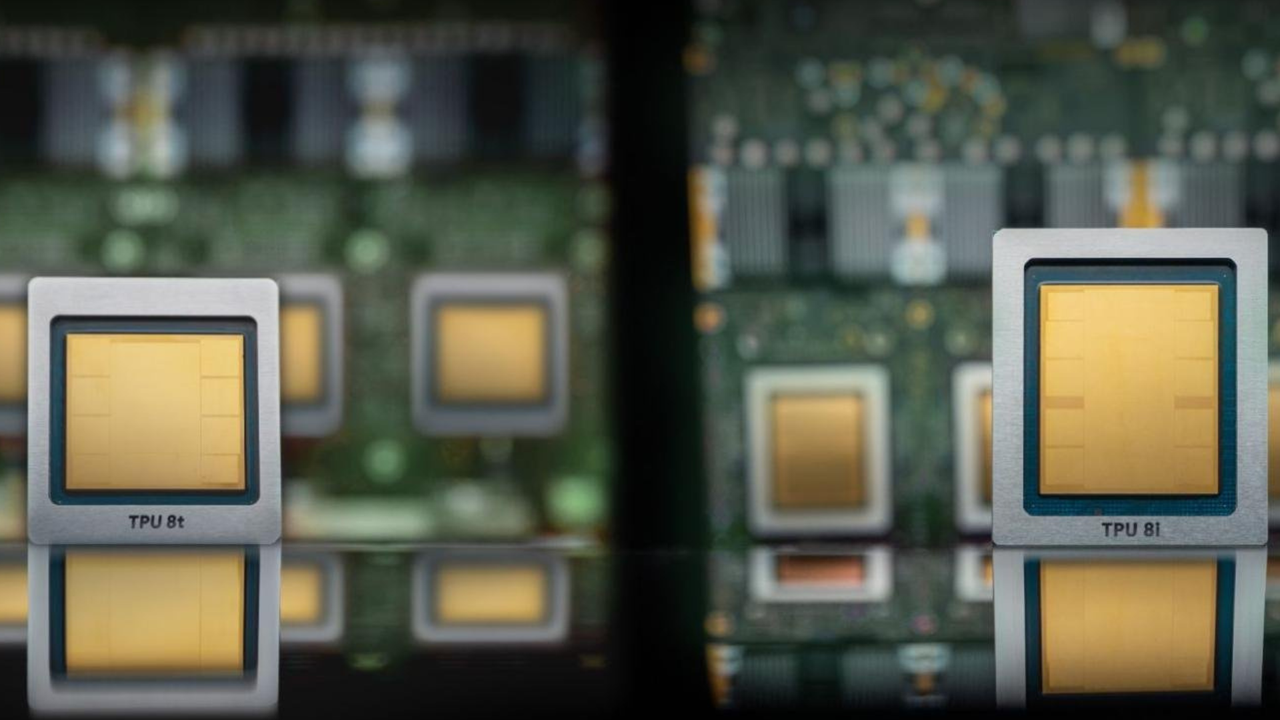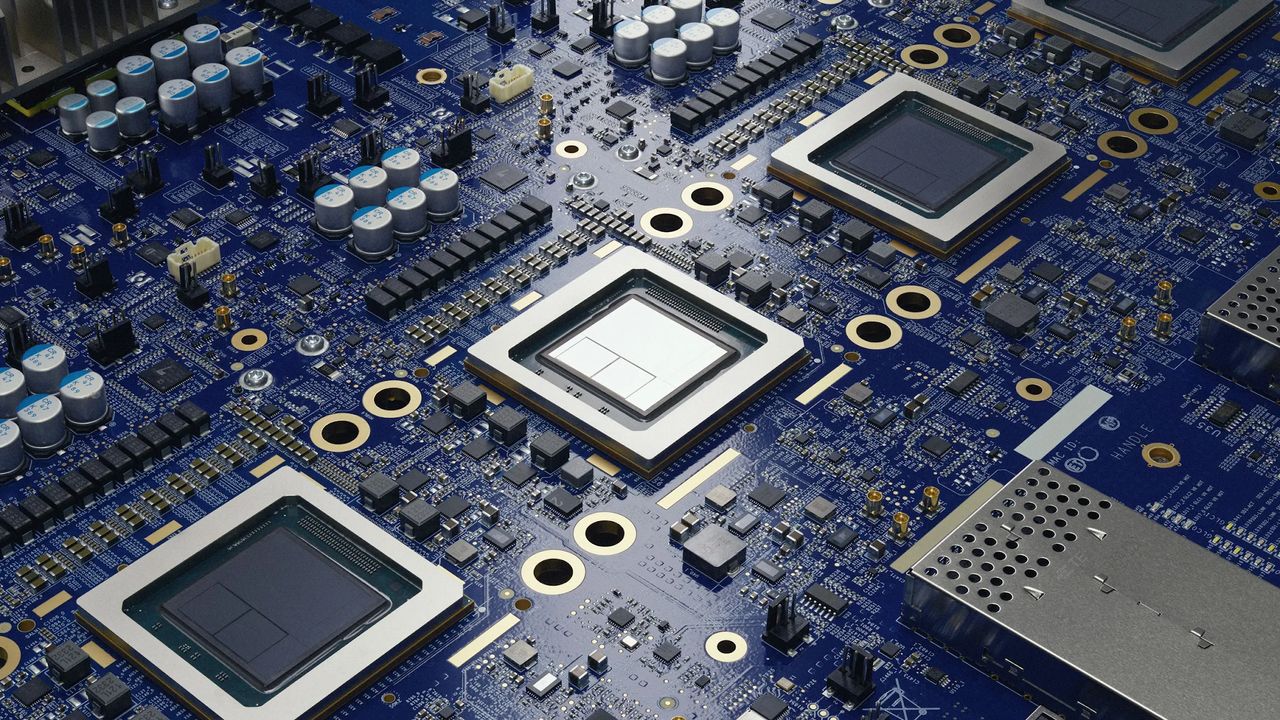
TSMC, Intel, samsung-foundry" class="entity-chip">Samsung Foundry, and GlobalFoundries have each staked out four distinct co-packaged optics (CPO) roadmaps, per Tom's Hardware. None of the four strategies are directly comparable, reflecting divergent bets on packaging, lasers, and integration depth.
Key facts
- Four foundries: TSMC, Intel, Samsung Foundry, GlobalFoundries
- CPO targets 200-400 Gb/s per lane signaling
- Intel EMIB-T won second cloud ASIC, early 2028 production
- TSMC CoWoS underpins Nvidia Blackwell and Vera Rubin
- Dozens of companies active in CPO ecosystem
The CPO race is about to begin, and the four foundries that actually manufacture chips are taking four different paths. Electrical interconnects are no longer scaling as quickly as AI processors, and feeding thousands of accelerators within a data center requires an exponential increase in communication bandwidth According to Tom's Hardware.
Why copper is dying at the package edge
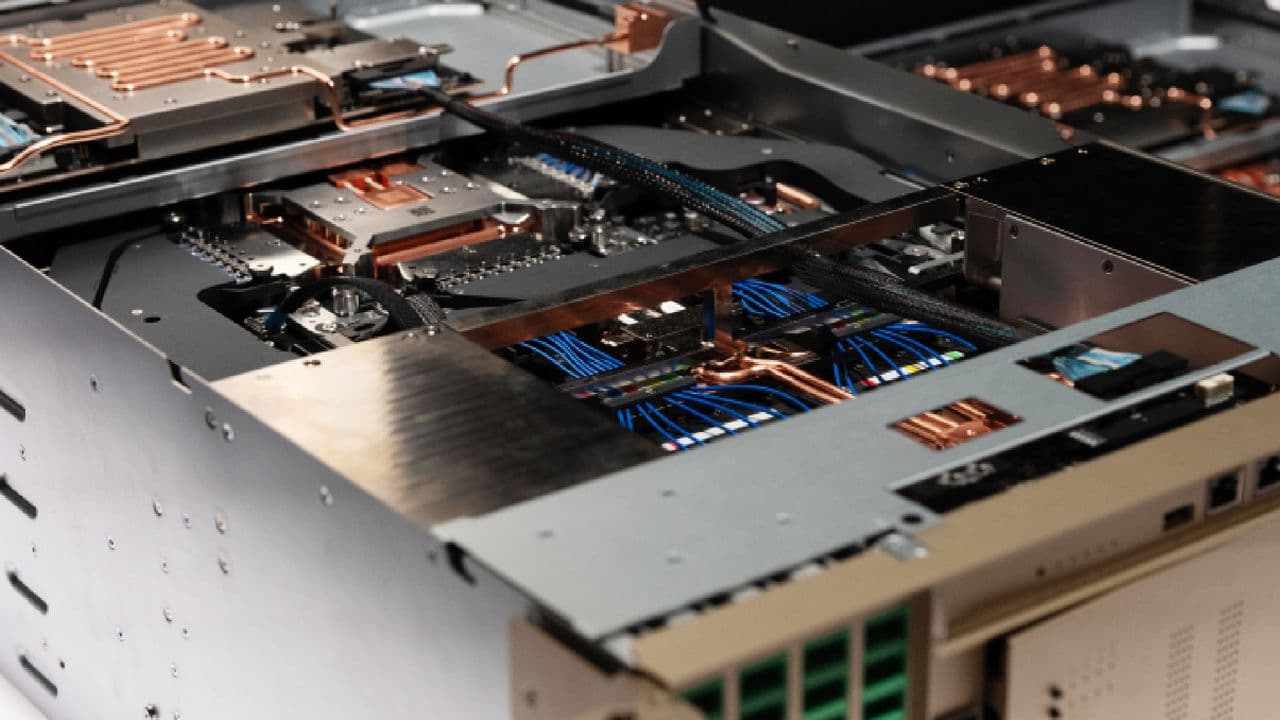
In a traditional optical networking architecture, the processor or switch ASIC communicates electrically with a pluggable optical transceiver located at the front panel of a server or switch. As signaling speeds climb to 200 Gb/s - 400 Gb/s per lane and beyond, transmitting electrical signals over long copper PCB traces on a motherboard becomes increasingly inefficient due to higher insertion loss, greater power consumption, and tighter signal integrity requirements. While technically possible, it demands better materials, retimers, complex compensation processing, and equalization circuitry, which increases infrastructure cost and power consumption.
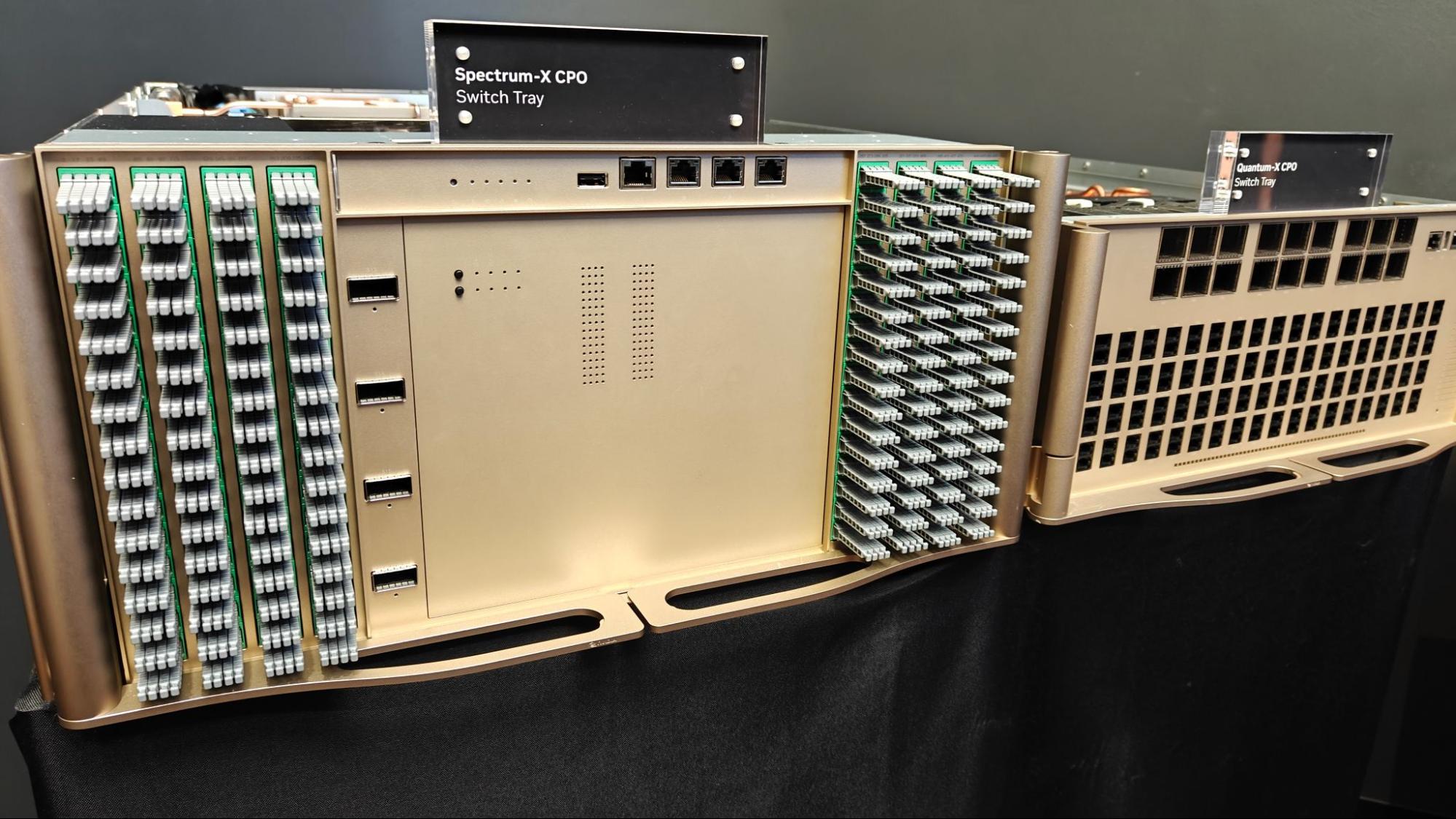
CPO moves optical engines next to the processor or switch ASIC to shorten the electrical path before signals are converted into light. The result: lower power consumption per transmitted bit, increased bandwidth density, and predictable scalability. CPO is increasingly viewed as a necessary technology for next-generation AI infrastructure.
Four foundries, four bets
Only four foundries have publicly articulated meaningful CPO manufacturing strategies: Intel Foundry, GlobalFoundries, Samsung Foundry, and TSMC. Each represents a different strategy, and their plans and capabilities may not be directly comparable.
Intel's approach builds on its EMIB-T packaging technology, which the company has already leveraged to win a second cloud ASIC project with early production targeted for 2028 [per our prior reporting]. TSMC, by contrast, is extending its CoWoS packaging family, which currently underpins Nvidia's Blackwell and Vera Rubin GPU lineups. Samsung Foundry and GlobalFoundries have each articulated their own integration paths, though the source does not disclose specific packaging names or timelines for either.
Because AI is viewed as a major megatrend, CPO is set to become ubiquitous; dozens of companies work in the CPO ecosystem, including foundries, OSATs, optical I/O startups, laser manufacturers, fiber suppliers, packaging houses, and networking vendors. The source limits its analysis to the four companies that actually produce things and whose roadmaps reflect their technological capabilities.
What the source doesn't say
The Tom's Hardware piece does not disclose specific power-per-bit numbers, bandwidth-density metrics, or target production dates for any of the four foundries' CPO offerings. It also does not name which laser or fiber suppliers each foundry has partnered with. Those gaps matter: CPO's viability hinges on laser reliability and yield, which historically have been the hardest problems to solve at scale.
Key Takeaways
- Four foundries—TSMC, Intel, Samsung, GlobalFoundries—are pursuing distinct co-packaged optics strategies as electrical interconnects fail beyond 200-400 Gb/s per lane.
- The approaches are not directly comparable, reflecting divergent packaging bets.
What to watch
Watch for the first production CPO design win announcement, likely from TSMC or Intel, and whether either foundry discloses power-per-bit improvements versus pluggable transceivers. Intel's EMIB-T second cloud ASIC, targeted for early 2028 production, is the earliest concrete CPO-related milestone on the calendar. A laser-supplier partnership disclosure would signal manufacturing readiness.
Source: tomshardware.com